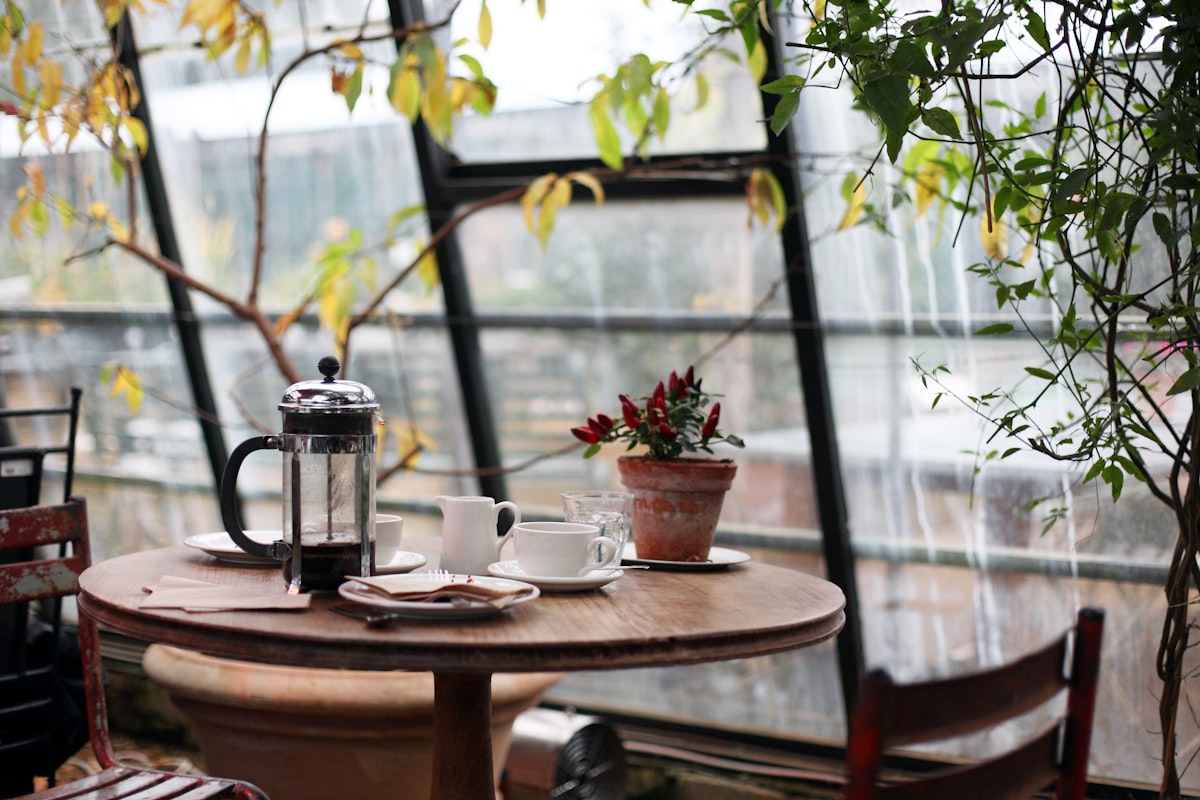
In 1989, sociologist Ray Oldenburg coined the term "third place" to describe the social environments separate from home (first place) and work (second place). These spaces—cafes, bookstores, community centers—are essential for civic engagement, democracy, and personal well-being. Today, cafes have become the quintessential third place, and understanding why reveals much about human psychology and our need for connection.
Why We Need Third Places
Modern life often feels divided between home and work, with little in between. This binary existence can be isolating. Third places offer neutral ground where people can gather without obligation, where conversation flows freely, and where community naturally forms.
Research shows that people with access to third places report higher levels of life satisfaction, stronger social connections, and better mental health. These spaces provide what psychologists call "loose ties"—casual relationships with familiar faces that don't demand the intensity of close friendships but still fulfill our need for social interaction.
The Cafe Advantage
Cafes are particularly successful third places because they balance several psychological needs simultaneously:
Autonomy: You're free to come and go as you please, stay as long or short as you like, and engage as much or little as you want with others.
Comfort: The sensory experience—the aroma of coffee, soft background music, comfortable seating—creates a welcoming environment that reduces stress and anxiety.
Productivity: Many people find they work better in cafes than at home or office. The ambient noise level (around 70 decibels) has been shown to boost creative thinking, and the presence of others working creates positive peer pressure.
The Ritual and Routine
Psychological research emphasizes the importance of rituals for mental well-being. Your morning coffee ritual—whether it's ordering "the usual," sitting in your favorite spot, or chatting with familiar baristas—provides structure and continuity in an uncertain world.
These small, predictable moments become anchors in our day. They signal transitions: from sleep to wakefulness, from work mode to leisure mode, from solitude to socialization.
Social Connection Without Pressure
One of the beautiful things about cafe culture is the spectrum of social engagement it allows. You can:
- Sit alone while still feeling part of something
- Strike up conversations with strangers without seeming intrusive
- Meet friends without the formality of dinner plans
- Work alongside others, creating collaborative energy
This flexibility is crucial for introverts who need social interaction but can be overwhelmed by direct, intense engagement. The cafe provides social proximity without social demand.
Creating Meaningful Spaces
At mokḱa, we've designed our space with these psychological principles in mind. You'll find:
- Various seating options—communal tables for those seeking connection, quiet corners for those needing solitude
- Natural light and greenery to reduce stress and improve mood
- Art and music that stimulate without overwhelming
- Consistent service that becomes part of your routine
The Community Effect
When cafes function well as third places, they become community hubs. Regular customers become a kind of extended family. You might not know everyone's last name, but you notice when someone's missing, celebrate their wins, and offer support during tough times.
This sense of belonging, of being a regular somewhere, fulfills a fundamental human need. It's why people travel across town to their favorite cafe rather than choosing the convenient one next door.
Making It Your Third Place
If you're looking to make a cafe your third place, here's our advice:
- Visit regularly at similar times to establish rhythm and familiarity
- Be present—put away your phone occasionally and observe your surroundings
- Engage with staff and fellow regulars, even just with smiles and nods
- Respect the space and others using it
- Allow yourself to linger—this isn't a transaction, it's an experience
In our increasingly digital world, physical third places matter more than ever. They remind us that we're part of something larger, that we belong, and that community still exists in tangible, meaningful ways.
Dr. Emma Chen
Contributing Writer
Passionate about coffee culture, culinary arts, and creating meaningful connections through food and beverage.
Experience mokḱa
Ready to taste the stories we share? Visit us in Pune and discover why our coffee and community are worth writing about.